
We often talk about User Experience (UX) and the tricks used to make it more “effective” by focusing only on numbers: getting more clicks, keeping users on pages longer, and driving more conversions. These are all metrics tied to financial gain, promising a “perfect UX” that leads users exactly where you want, how you want, and when you want.
It is a deeply capitalist and individualistic approach that aims to boost a digital product’s performance by tricking the user, ignoring the consequences of design built with these ideas in mind. Just like capitalism, UX is defined by market saturation, a focus on financial growth, commodification, and automation. Corporations have a significant influence on the economy and society, and designers should not go too far when supporting user needs.
This opens up an endless conversation about ethics and deception. But first, let’s take a step back: what exactly is UX?
What is UX (User Experience) and why it matters
When we talk about UX, we are talking about User Experience, a design approach that focuses on the user whenever they interact with a platform, a website, or a mobile app. This same concept applies to physical product design. A classic example is placing a red button on a remote control to signal an important, or what we call a “destructive,” action.
However, remote control design actually has several issues. One of the biggest problems is the excessive number of buttons, most of which go unused the majority of the time.

Recognizing the Risks of UX Design
Digital products are evolving faster than we can design them, creating a playground for harmful agents and deceptive patterns. How can design and the tech industry at large, live up to its stated ideal of “improving people’s lives”? How can we pay closer attention to the potential issues surrounding privacy, rights, and inclusion?
New information ecosystems like VR and AR, alongside the tsunami of AI-driven products, require designers to re-educate themselves. We must stay one step ahead to make product decisions that don’t harm others. The best way to prepare is to make an active effort to stay informed about the technological, legal, and social shifts happening all around us.
A Matter of Psychology
In an ideal world, “growth designers” create user experiences that drive business success while following ethical principles. However, finding and maintaining this balance between growth and ethics is one of the biggest challenges a designer faces today.
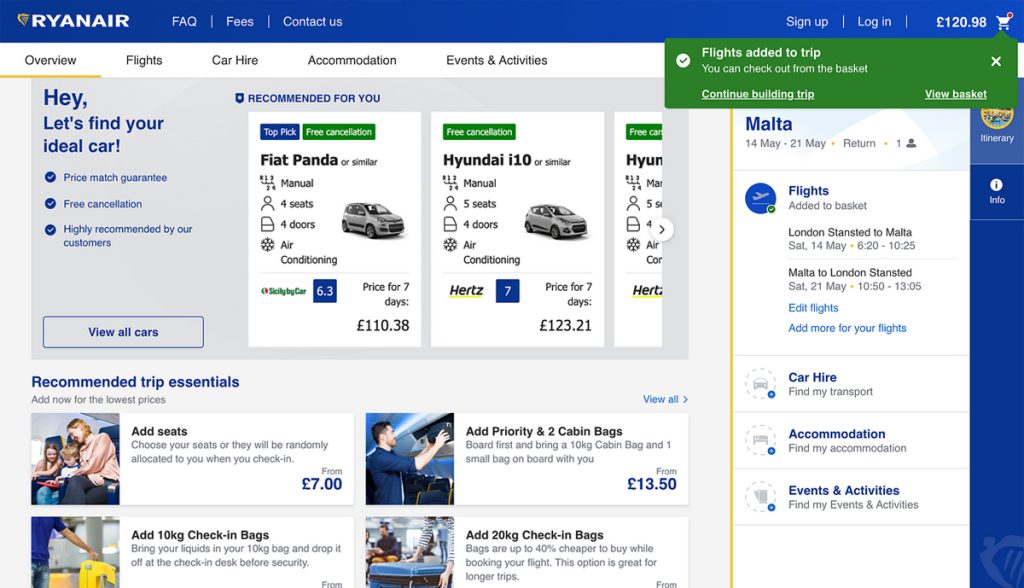
So-called psychological tricks have a bad reputation, and for good reason. Think about the last time you ran into a “clever” trick: maybe you were trying to unsubscribe from a newsletter you never signed up for, or perhaps booking a low-cost flight became a nightmare because of endless upsells.
Accessibility: The core of UX
Accessibility should be baked into the development process of any product or service from the start, not added as an afterthought. Products are always designed for a “target customer,” but we must also consider those who are—intentionally or not—left out. More often than not, this includes people with disabilities.
For instance, website design isn’t always optimized for people with visual impairments, even though the World Health Organization reports that at least 1 billion people are blind or vision-impaired.
Transparency and Balance
Designing ethically also means ensuring transparency so that users can make informed choices. This includes providing clear, easy ways for users to opt out of subscriptions. As designers, we must also realize that even the simple choice of fonts and colors can influence a user’s behavior.
Ethical design fails the moment we cross the line into making seemingly unprompted decisions that serve the company’s interests over the user’s. It is a constant challenge to find the right balance between giving users complete freedom and making every decision for them.

What It Means to Create an Inclusive UX
Generally speaking, creating ethical and inclusive products means, first and foremost, making it easy for users to consume content. A helpful practice before starting any project is to stop and think about all potential users (especially those with visual impairments, disabilities, or language barriers) and ask yourself: “Will this person be able to properly view and use my platform, website, or app?”
If the answer is yes, then you have created an inclusive UX because it meets the needs of as many users as possible. Whenever we have the chance, we can improve this process by getting help directly from the very people who might struggle to use our content.
For example, to share one of our own client experiences: when we designed the Eurosteel website, we involved a visually impaired person in the development process. This helped us immensely in creating a site that is fully accessible to blind users.
Designing with respect: ethical design
Now let’s look at step two, which is all about ethics, where transparency is key. When designing a website or app, if we manage to avoid unclear buttons, sudden pop-ups, hidden banners, and other potentially deceptive elements, we are already halfway there.
And if we have made the effort to lay out our content clearly and simply on the page, our work is complete. We will have delivered a UX that is not only inclusive but also ethical.
There is one more step often overlooked but absolutely vital when talking about ethics and respecting people: protecting the environment that we all call home. With this in mind, we like to design websites following an eco-friendly philosophy, minimizing emissions and working to offset them through small reforestation projects.
To find out more about how to design a lightweight, ethical, and ecological website, visit our dedicated Ecodesign page.