

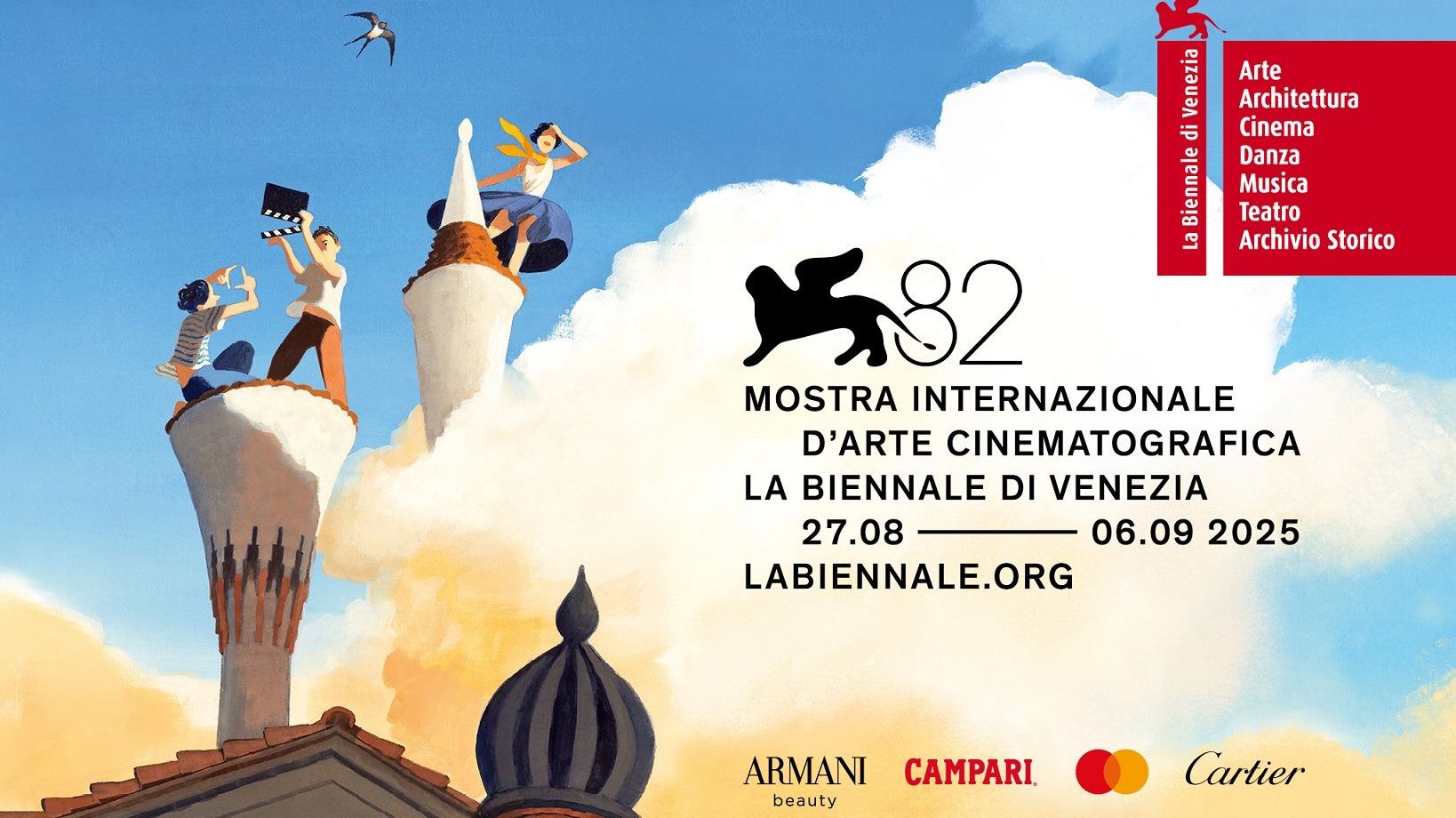
Since its foundation in 1932, the Venice Festival has always brought cinema and glamour together. But when the red carpet becomes more eagerly awaited than the Golden Lion, the people everyone is talking about are influencers who have little to do with cinema rather than the stars of the films, and brands prefer to spend millions to see their clothes on the runway instead of worn by actors on screen, aren’t we perhaps going a bit too far?
The media’s approach to the Venice Film Festival
Let’s go back to the opening night of the 2025 Venice Film Festival. Do you remember Julia Roberts’ cardigan with Luca Guadagnino’s face on it?
At her first walk on the famous red carpet of the 2025 Venice International Film Festival, Julia Roberts showed up in a cardigan that, according to some rather… hasty headlines, “is already the most iconic piece of this Venice” (wasn’t it a bit early to say that?).
It was definitely an original cardigan, that much is true, and also a very “smart” one: printed on the knitwear are the faces of Luca Guadagnino, director of After the Hunt, the film presented at the Venice Festival starring Roberts herself.
What do we think? Without a doubt, it’s a clever idea by the actress and her stylist, Elizabeth Stewart.
A smart way to get people talking about her look, pleasing an audience that, it has to be said, seems almost more interested in fashion than in the films in competition, while still paying tribute to the great Italian director.
A Film Festival that doesn’t just show films
Julia Roberts’ cardigan is the perfect example of the ambiguity that defines the 2025 Venice Film Festival: an event that is still very much about cinema, but which, much to the delight of Italian and international media, also speaks fluently the language of fashion, glamour and social media.
We’re fully aware that the Venice International Film Festival, since its very beginning, has always been deeply intertwined with the world of fashion and entertainment in general.
And just to be clear: that’s a strength, not a flaw.
But try typing a very generic keyword into Google, like “Festival di Venezia 2025” or “Mostra del Cinema di Venezia 2025”. We tried it ourselves, and the top results are not exactly about cinema: they talk about the “goddess Emma Stone,” hand out “report cards for the second red carpet looks,” rank the “best looks of the night,” and choose Amal Clooney and her “crispy dress” for the cover image.
No mention of the films in competition, of the front-runners for the Golden Lion, of the lifetime achievement award presented (the night before this screenshot was taken) by Francis Ford Coppola to director Werner Herzog… But wasn’t this supposed to be a Film Festival?
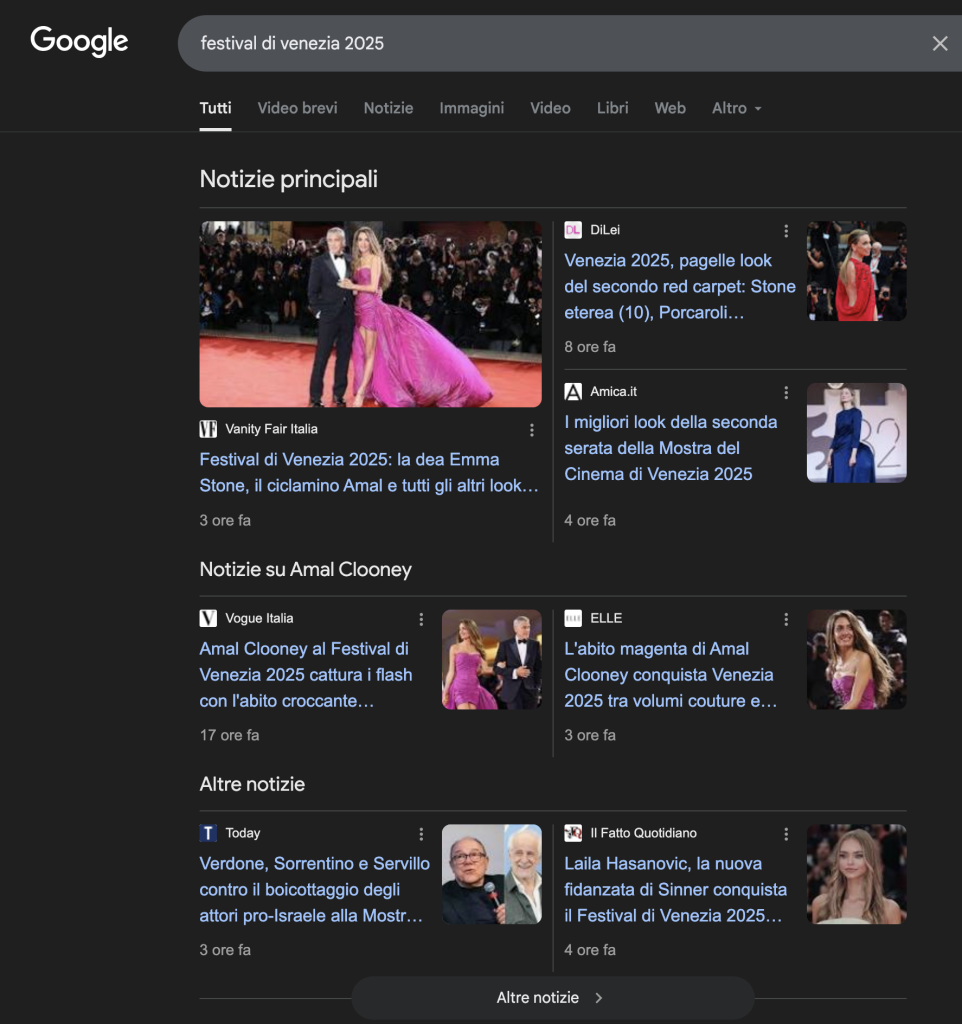
At this point, we moved our research to another platform: TikTok. The result? Hit “play” on the video to find out.
The question comes naturally: if the red carpet draws more attention than the Golden Lion, are we still talking about cinema?
The answer requires a step back in time, to the exact moment when the Venice Festival chose to transform itself from a gathering for pure cinephiles into a global stage for luxury.
The turning point of the ’80s: Carlo Lizzani and the “Mezzogiorno–Mezzanotte” revolution
The historic turning point has a first and last name: Carlo Lizzani. It’s 1979 when the Roman director takes over as head of the Festival, and under his guidance the event goes through a metamorphosis that will forever change the DNA of Venice. Lizzani, together with his right-hand man Enzo Ungari, creates the section “Mezzogiorno–Mezzanotte“: quirky documentaries at noon, major American premieres at midnight. This is where everything changes.
Raiders of the Lost Ark (1981), E.T. (1982), The Empire Strikes Back (1980), Heaven’s Gate (1982), Poltergeist (1982) — no longer just arthouse cinema, but blockbusters made for mass audiences. Alberto Barbera, then a young critic, still remembers “the stampede of spectators who, as soon as the doors opened, rushed in to grab a seat” for Raiders of the Lost Ark.
But Lizzani does something even more revolutionary: he gathers “as many prestigious actors as he could to discuss ‘The cinema of the Eighties,’” thus kicking off the debate on cinema and new technologies. He is the first director to understand that stars are not just needed for the films, but also as cultural phenomena in their own right. The Lizzani–Ungari formula “would long stand as a model for festivals around the world.”

The ’90s: Pontecorvo brings Hollywood to Venice
If Lizzani planted the seed, it’s Gillo Pontecorvo (1992–1996) who truly makes the cinema–glamour combination bloom. His three key goals are clear: to make Venice “the capital of film authors,” to bring the great directors and movie stars “physically” back to the Lido, and to revitalize the Palazzo del Cinema area with the presence of young people.
It’s under his leadership that Hollywood stars such as Jack Nicholson, Harrison Ford, Bruce Willis, Kevin Costner, Mel Gibson, Nicole Kidman, Tom Hanks, and Denzel Washington land at the Lido. But here’s the point: they come for structured events, not just for the films.
With spectacular premieres in the “Night” section and initiatives such as rock concerts held in the square in front of the Casino, Pontecorvo turns the Lido into an adult playground where cinema and showbiz blend seamlessly.
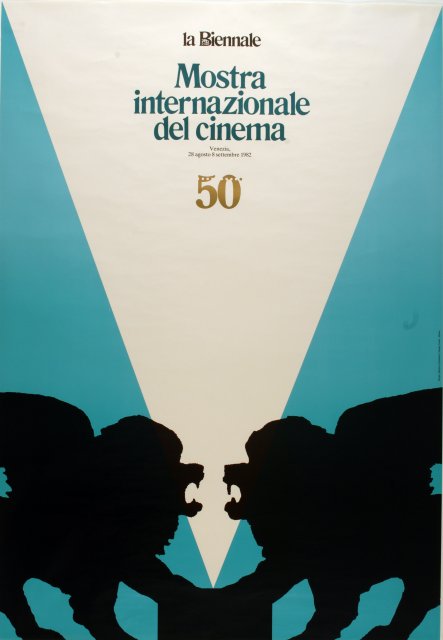
The second revolution: the age of social media
If the ’80s and ’90s brought the stars, it’s the digital era that definitively turned the festival into an almost predominantly fashion-driven event. From 2010 onwards, every fashion brand understands that Venice is the last major event before Fashion Week, a unique opportunity to launch autumn looks.
The mechanism is as simple as it is effective: influencers are not invited because of their connection to the films, but as “guests” of the brands participating as sponsors. It’s a sophisticated marketing operation: each brand invites its testimonials, clients, and ambassadors, leveraging the festival’s huge visibility.
And up to this point, there’s nothing inherently wrong with that: after all, business is business, right?
But the point of no return comes in 2022, when DJ Alessandro Basciano gets down on one knee and proposes to model Sophie Codegoni (both in the cast of Big Brother 2022) during the premiere of The Son starring Hugh Jackman, completely stealing the show. An episode that more than any other symbolizes the “desacralization” of the red carpet, especially considering that the evolution of the couple over time has not exactly been… idyllic (for the curious, a quick online search will do).
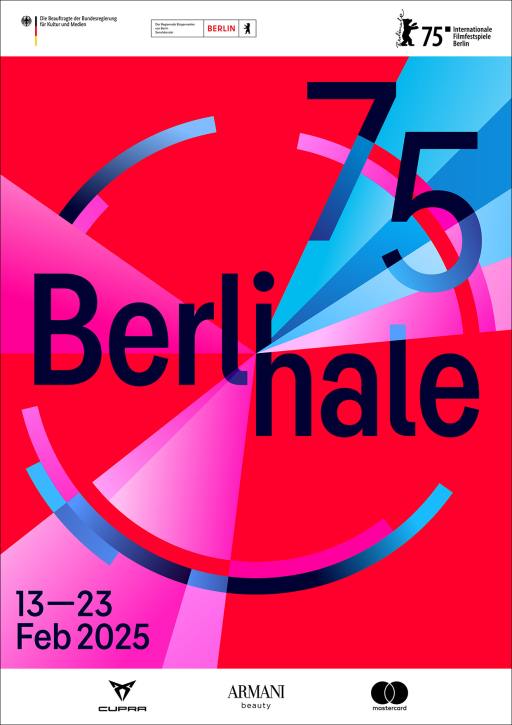
Venice vs Cannes vs Berlin: three festivals compared
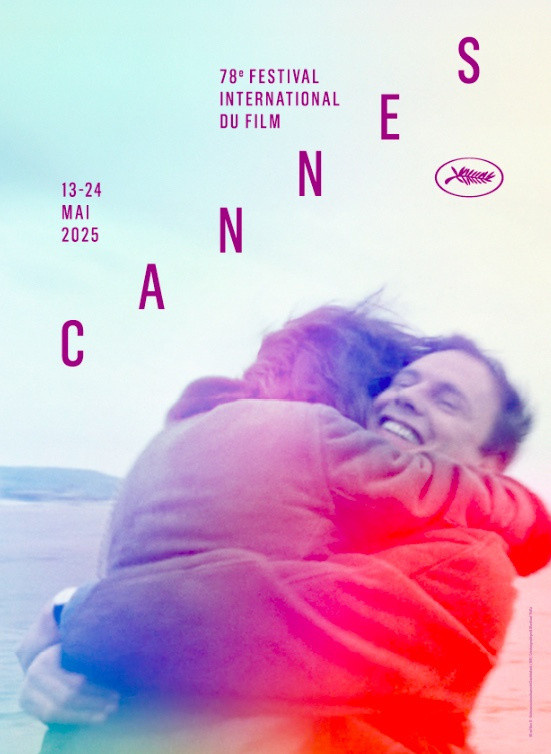
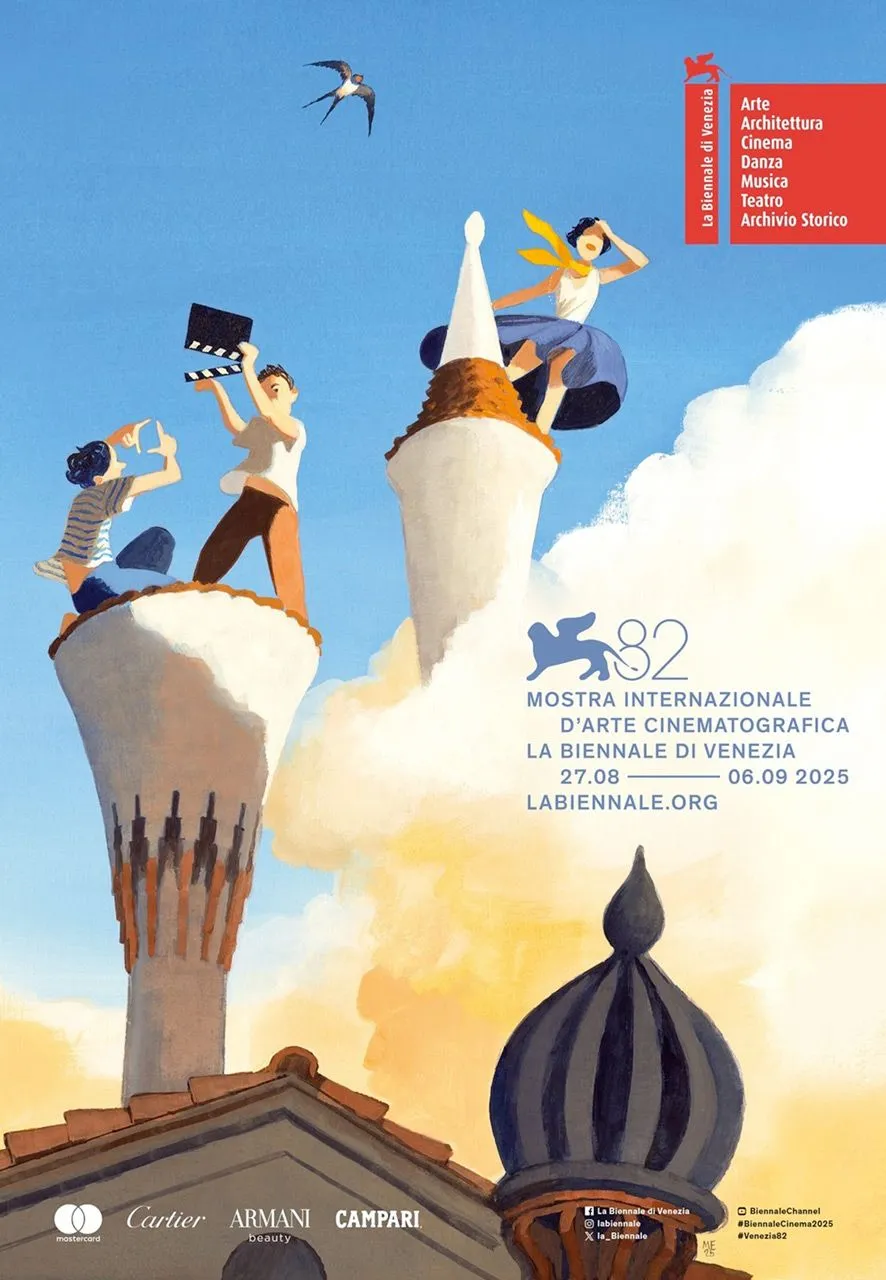
But how does Venice position itself within the landscape of major European festivals? Cannes and Venice are “two red carpets of a runway that makes even the least fashion-conscious dream with their eyes open,” thanks to Valentino, Versace, Prada, Gucci, Chanel, Dior — but their approaches differ.
Cannes remains more strictly tied to the business of cinema — the Croisette is first and foremost a marketplace where films are bought and sold. Berlin maintains a more intellectual and politically engaged aura. Venice, on the other hand, has found its unique identity precisely in this blend: it’s the only festival where you can arrive by water taxi in haute couture to watch a film by Yorgos Lanthimos.
The difference is also geographical: Venice “has evolved on the fashion front as well, becoming a sort of ‘pre–Fashion Week’, which conveniently happens to kick off in the following weeks, first in Milan and then in Paris.” Strategic timing that makes it the perfect bridge between cinema and fashion.
The format that fuels the phenomenon
The 11-day duration of the Festival naturally creates room for non-cinematic content. With the awards being handed out only tomorrow evening, 6 September, there’s a full week in which the media need to fill pages and airtime. The red carpet thus becomes the main content, amplified by the fact that recognition comes only at the end, creating a crescendo of anticipation that is filled with fashion coverage.
But there’s an interesting contradiction: in 2024, as many as 50 journalists from around the world signed a protest letter, claiming that “the festival brings in big names to gain prestige and media exposure, but then seems to forget it when faced with real journalists” (source: AGI).
When fashion really makes sense
Not all glamour is empty, though. Julia Roberts’ cardigan proves it: when fashion is used to pay tribute to cinema, when it becomes part of the storytelling of a film, that crossover works perfectly.
The problem starts when the balance tips too far towards pure spectacle. All that matters is to get people talking, for better or for worse.
The transformation of the Venice Festival is not a step backward, and this article is not meant as a criticism. Also because, when all is said and done, the Festival has survived the most transformative era ever, the digital one, remaining relevant and, as far as possible, even more relevant than before.
So ultimately, it’s not about choosing between cinema and fashion, but about finding the right balance. And in the end, this very fusion is what makes Venice unique.
Whether it’s still a film festival or a fashion show with films on the side, we’ll find out tomorrow night. But one thing is certain: cinema is still the beating heart of it all. And we can’t wait to see the films and actors that will win this year’s edition in theaters. And not just the winners: cinema is life and, festival or no festival, we’ll keep watching films anyway. But we’re grateful to the Film Festival for its hard work and for the expertise that comes from nearly 100 years of history, suspended on that invisible thread that has always woven together, from the very beginning, cinema and fashion.